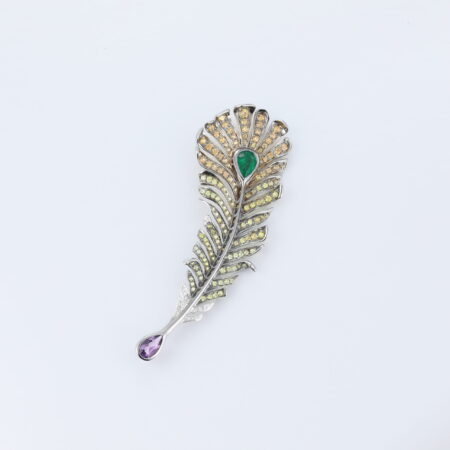
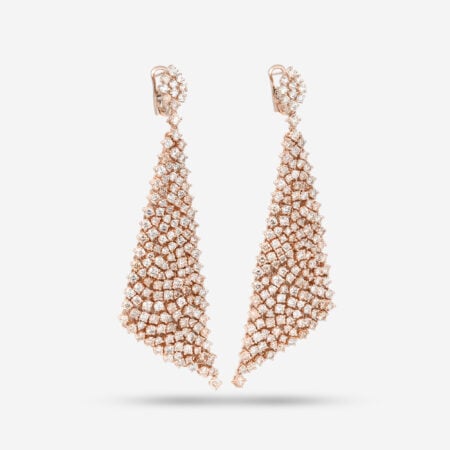
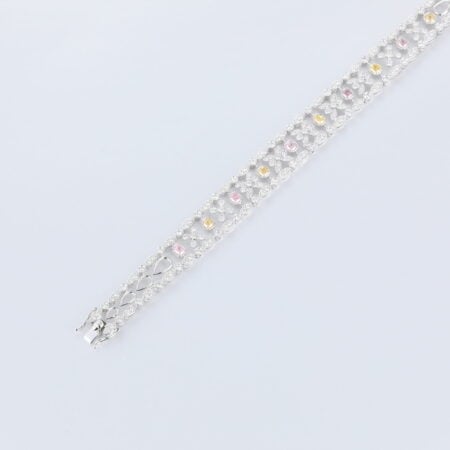
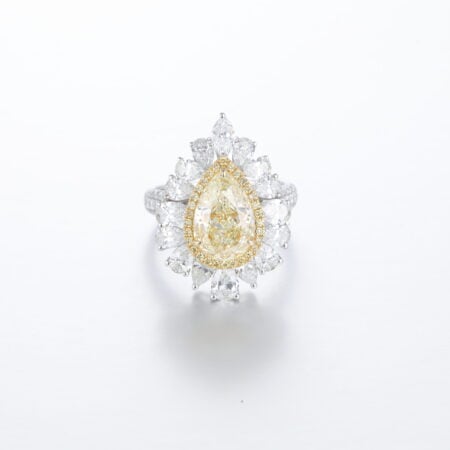
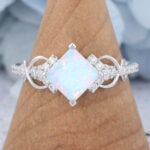
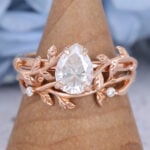
You can identify antique jewelry by checking craftsmanship, metal hallmarks, gemstone cuts, and overall wear. Consulting an appraiser is often the most accurate way.
Antique jewelry typically refers to pieces that are over 100 years old, while vintage jewelry may be more recent but still from a past era. Both carry unique designs, but antiques often feature techniques such as filigree, bezel settings, and early European cut diamonds.
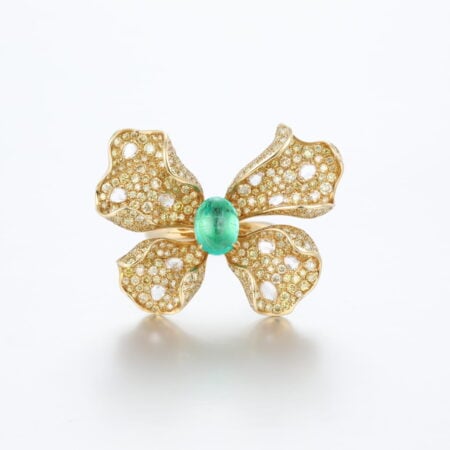
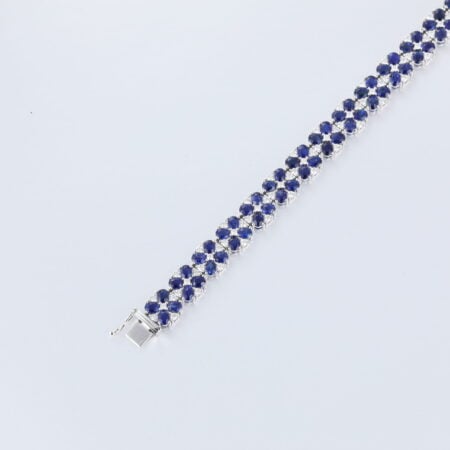
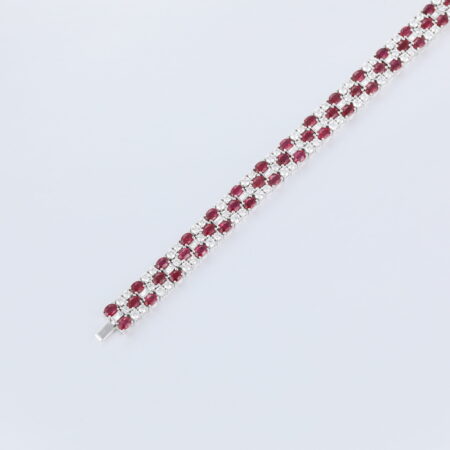
Popular categories include antique rings, necklaces, bracelets, earrings, brooches, and pendants. Collectors are often drawn to Art Deco and European cut diamond styles, while many customers love pearls, sapphires, and emeralds for their timeless appeal. Some men’s jewelry such as vintage watches and charms are also highly sought after.
Antique jewelry should be cleaned gently with mild soap, warm water, and a soft brush. Avoid harsh chemicals to protect delicate materials.
Antique jewelry can be bought from specialized jewelry stores like Amandafinejewelry. Always verify authenticity before purchase.
Antique costume jewelry should be cleaned with a soft cloth or a damp cotton swab. Avoid soaking or using cleaners, since water and chemicals may damage glue-set stones or plating.
Most rings, pendants, and bracelets are crafted in yellow gold, white gold, or platinum, offering both elegance and durability.
Yes, sterling silver (S925 sterling silver) is commonly used in fine jewelry. It offers a bright, elegant finish and is a more affordable precious metal option.
Yes, many fine jewelry pieces are made for daily wear. Just choose durable designs and remove them during heavy activities to maintain their beauty.
Absolutely. We offer men’s rings and watches, as well as elegant women’s jewelry. Each piece balances historical elegance with modern wearability.
Every item is examined by a professional gemologist. Check for hallmarks, gemstone quality, and era-specific craftsmanship like bezel settings or filigree detailing.
 Christmas: 25% off All ltems · Code AFJ25 ·Ends Dec 30 30% off All Items ·On Orders Over $600 – Code AMANDA30