What Hand Does a Wedding Ring Go On — and Why So Many People Get It Wrong
Choosing where to wear a wedding ring sounds like one of the simplest parts of getting married, yet it often causes more confusion than expected. Many couples find themselves searching what hand does a wedding ring go on, only to encounter different answers depending on culture, tradition, or even family advice. What seems like a clear rule is actually shaped by history, symbolism, and modern lifestyle choices, which explains why so many people feel unsure or end up second-guessing themselves.
The Traditional Answer Most People Think They Know
Ask around, and most people will confidently say that a wedding ring goes on the left hand. This answer is so common that it feels unquestionable, especially in Western countries. The left hand has long been associated with marriage, love, and commitment, making it the default choice for many couples.
However, this widely accepted answer is only part of the story. While it reflects tradition in places like the United States, the UK, and much of Western Europe, it does not represent a universal rule. The assumption that there is only one correct hand is exactly where the confusion begins.
Where the Tradition Actually Comes From
The idea of wearing a wedding ring on the left hand dates back thousands of years. Ancient Romans believed that a vein ran directly from the left ring finger to the heart, symbolizing a direct connection to love and emotion. This belief, known as the ‘vein of love’, gave the left hand special meaning in marriage rituals.
Although modern science has long disproven this idea, the symbolism remained powerful. Over time, the tradition became deeply embedded in Western wedding customs, passed down through generations without much question. What started as symbolism slowly turned into an assumed rule.
The Myth of the ‘Vein of Love’
The ‘vein of love’ is one of the most repeated explanations for why wedding rings are worn on the left hand. While it makes for a romantic story, it is more myth than fact. In reality, all fingers have veins that connect to the heart in the same way.
Despite this, the story continues to influence modern understanding. Many people still cite it when explaining what hand does a wedding ring go on, even though the tradition is cultural rather than anatomical. This lingering myth plays a major role in why the topic feels more fixed than it actually is.
Why So Many People Get It Wrong
The confusion around wedding ring placement does not come from ignorance, but from overlapping traditions and changing practices. Most people are exposed to more than one explanation, often without context.
Engagement Rings vs Wedding Rings: The First Point of Confusion
One of the biggest sources of misunderstanding comes from the difference between engagement rings and wedding rings. Engagement rings are typically worn on the left hand during the engagement period. On the wedding day, some people move the engagement ring temporarily or stack both rings together afterward.
This shift leads many to wonder whether the wedding ring replaces the engagement ring or simply joins it. Without a clear explanation, it is easy to assume there must be strict rules when, in reality, flexibility has always existed.
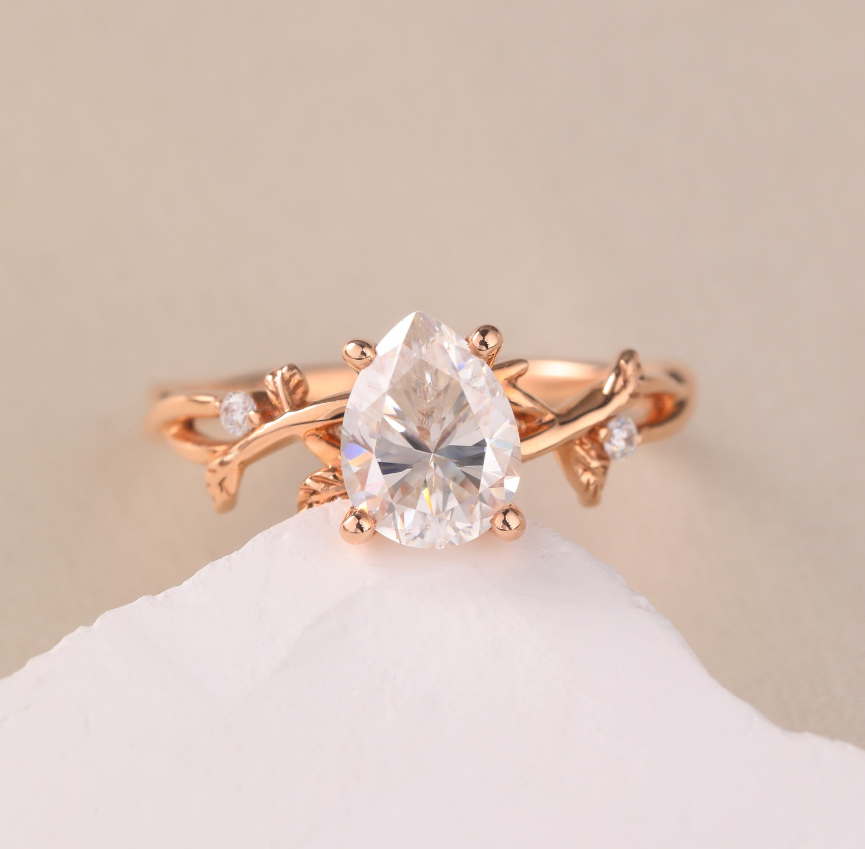
Amanda Art Deco Pear Shaped Vintag Moissanite Engagement Ring
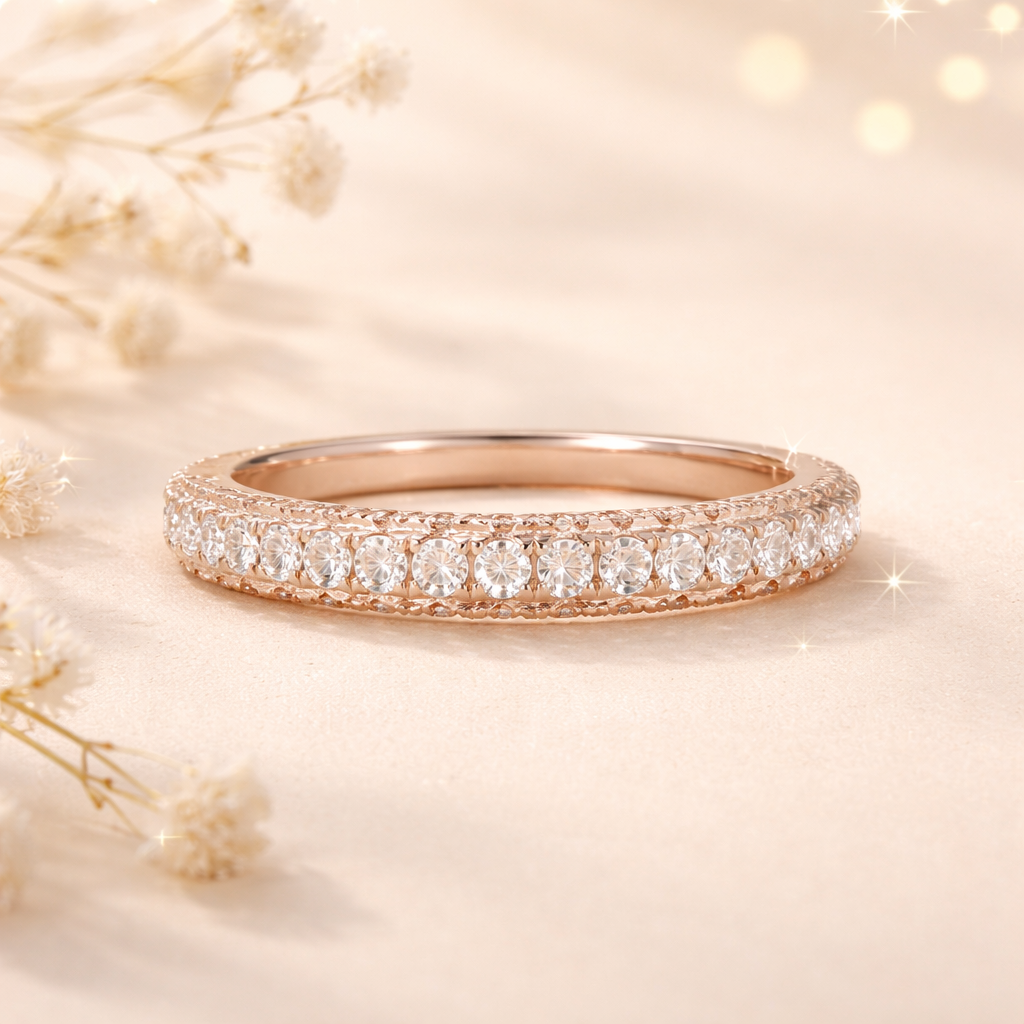
Amanda Full Eternity Moissanite Wedding Band
Left Hand or Right Hand? Cultural Differences No One Explains Clearly
Outside of Western traditions, wedding rings are often worn on the right hand. In countries such as Germany, Russia, India, and parts of Eastern Europe, the right hand is seen as more appropriate for important commitments.
Religion also plays a role. In some Orthodox Christian traditions, the right hand is associated with oaths and blessings, making it the preferred choice for wedding rings. These cultural differences rarely get explained in simple guides, which is why people searching what hand does a wedding ring go on often receive conflicting answers.
Modern Weddings Changed the Rules
Contemporary weddings have reshaped many long-standing customs, including ring placement. Couples today prioritize comfort, lifestyle, and personal meaning over strict tradition. Some choose alternative fingers, others opt for tattoo rings, and many mix metals or designs that feel more personal. As marriage becomes more individual, the idea of a single correct hand feels increasingly outdated. Modern choices have not erased tradition, but they have expanded it.
What Hand Does a Wedding Ring Go On in the US Today
In the United States, the left hand remains the most common choice for wearing a wedding ring. This aligns with cultural expectations and popular imagery around marriage. However, common practice does not mean universal agreement. Many Americans now choose the right hand due to comfort, profession, or personal symbolism. For example, left-handed individuals may prefer wearing their ring on the right to reduce wear and tear. In practice, the answer to what hand does a wedding ring go on in the US often depends on the individual rather than tradition alone.
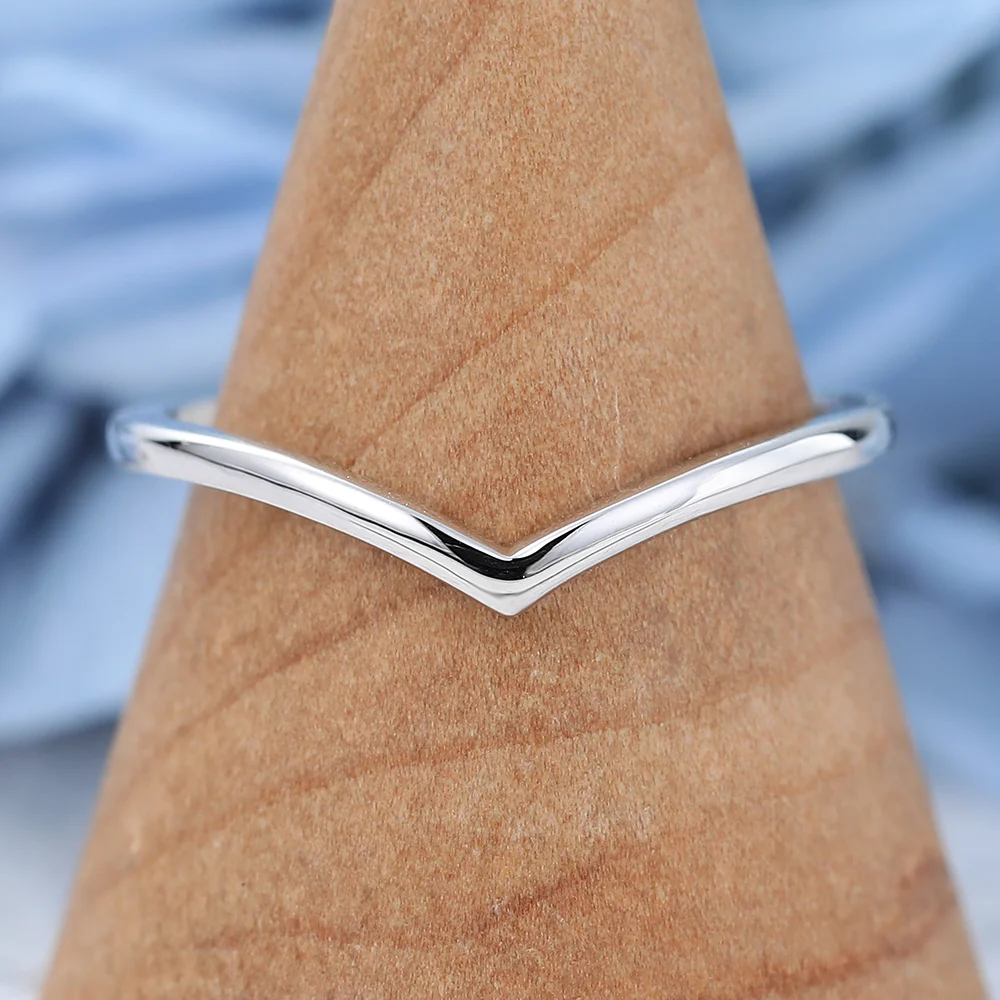
Amanda White Gold Simple Wedding Rings For Women
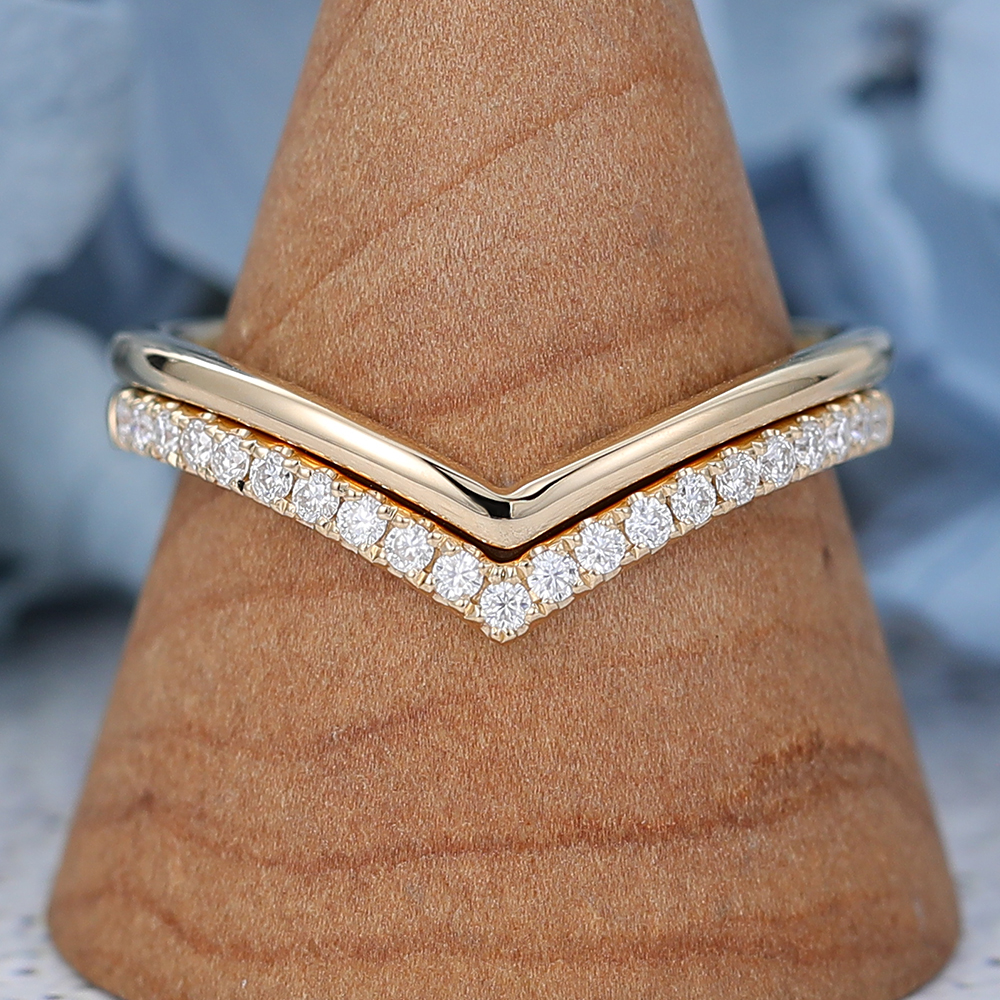
Amanda 2pcs Curved Stackable Wedding Bands
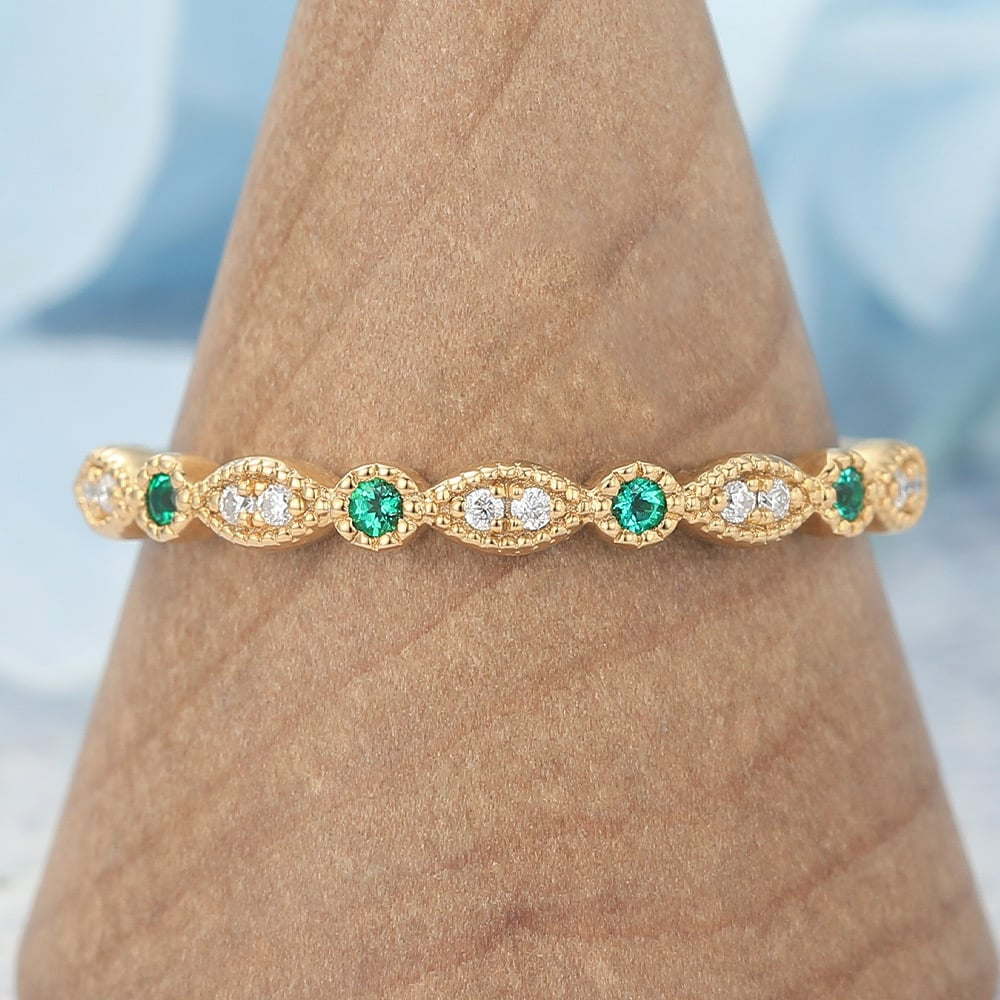
Amanda Emerald & Moissanite Half Eternity Wedding Band
What About Other Countries and Cultures
Across the world, wedding ring traditions vary widely, and none are considered more correct than others.
Countries That Wear Wedding Rings on the Right Hand
In nations such as Poland, Norway, and Greece, the right hand is standard. The reasoning may be religious, historical, or symbolic, but it is deeply respected within those cultures.
Regions Where Tradition Depends on Religion
In some places, religious background determines ring placement more than geography. Catholic, Orthodox, and Protestant traditions can differ even within the same country.
Places Where Personal Choice Matters More Than Custom
In many modern societies, especially in urban areas, personal preference now outweighs traditional rules. Couples are more likely to decide based on comfort or meaning rather than expectation.
How to Wear Both an Engagement Ring and a Wedding Ring Correctly
When both rings are worn, questions about order naturally arise. Traditionally, the wedding ring is placed closest to the heart, with the engagement ring worn above it. This arrangement reflects the idea that the wedding band represents the foundation of the marriage.
That said, many people reverse the order or wear rings on separate hands. Practical concerns such as ring size, design, and daily activities often influence this decision more than symbolism.
When It Makes Sense to Break Tradition
There are many valid reasons to step away from tradition. Certain professions make wearing rings on the left hand impractical or unsafe. Others find that cultural expectations do not align with their personal values. Comfort, lifestyle, and personal meaning often matter more than following a rule. In these cases, choosing a different hand does not diminish the significance of the ring or the marriage itself.
So, What’s the Right Answer?
The most accurate answer is that there is no single rule that applies to everyone. Tradition offers guidance, not obligation. Understanding the history and cultural context helps explain why the question exists, but personal choice ultimately defines the correct answer. For anyone still wondering what hand does a wedding ring go on, the simplest response is this: it goes on the hand that feels right to you and your partner.
Final Thoughts: Meaning Comes From the Choice, Not the Hand
A wedding ring is a symbol of commitment, not a test of tradition. While history and culture provide helpful context, they should never limit personal expression. Whether worn on the left or right hand, what truly matters is the intention behind it. If you are still asking what hand does a wedding ring go on, remember that the meaning of the ring comes from the promise it represents, not the hand it rests on.
 Christmas: 25% off All ltems · Code AFJ25 ·Ends Dec 30 30% off All Items ·On Orders Over $600 – Code AMANDA30