Christmas: 25% off All ltems · Code AFJ25 ·Ends Dec 30 30% off All Items ·On Orders Over $600 – Code AMANDA30
Moissanite vs Sapphire: A Clear Comparison for Modern Jewelry Buyers
Modern jewelry buyers approach gemstone choices differently than they did in the past. Visual impact, long-term wearability, and budget transparency now weigh as heavily as tradition. In this context, moissanite vs sapphire has become a common point of comparison, especially for those deciding between color-driven styles and high-brilliance alternatives. Understanding the differences between these gemstones helps clarify choices, whether you are weighing blue moissanite vs sapphire or comparing moissanite vs white sapphire for a cleaner, more classic look. Looking beyond surface appearance allows buyers to select a stone that truly fits their lifestyle and design preferences.
What Is Moissanite
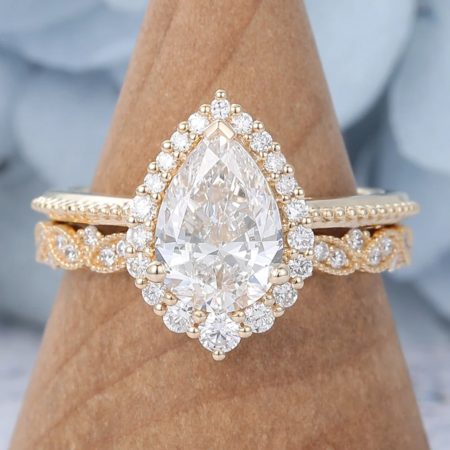
Moissanite originally appeared in meteorite fragments and is now produced almost exclusively in laboratories for jewelry use. Chemically, it is silicon carbide, a compound known for its exceptional optical performance and durability. Modern moissanite is engineered to achieve high clarity, controlled color grades, and consistent cut precision, making it widely used in engagement and fashion jewelry.
In the current market, moissanite is positioned as a high-performance gemstone rather than a rarity-driven one. Its appeal lies in predictability: buyers know exactly what level of brilliance, size, and finish they will receive, without variability caused by mining conditions. This consistency is a major reason moissanite has become popular among modern consumers who prioritize aesthetics and value over traditional scarcity.
What Is Sapphire
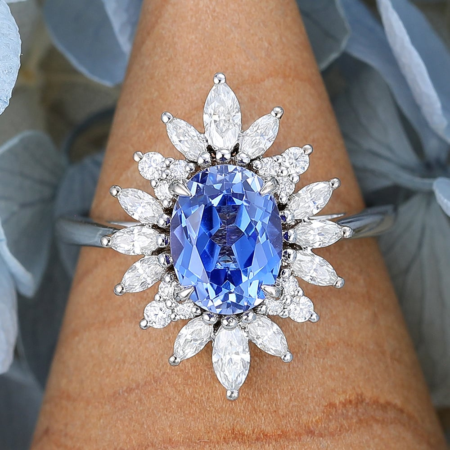
Sapphire is a variety of corundum and has been used in fine jewelry for centuries. While blue is the most recognized color, sapphire naturally occurs in a wide range of hues, including pink, yellow, green, and white. Both natural and lab-grown sapphires are available on the market, with lab options offering improved accessibility and uniform quality.
Historically, sapphire has been associated with royalty, commitment, and wisdom. That cultural weight still influences buyer perception today. Compared with moissanite, sapphire’s identity is less about brilliance and more about color depth, symbolism, and heritage, which continues to resonate with buyers seeking something timeless rather than trend-driven
Moissanite vs Sapphire: Appearance and Visual Appeal
Visually, the most immediate difference between moissanite and sapphire is how they interact with light. Moissanite has a very high refractive index, typically ranging from 2.65 to 2.69, which is significantly higher than sapphire’s refractive index of approximately 1.76 to 1.77. This optical property allows moissanite to produce strong sparkle and noticeable fire, especially under artificial lighting, resulting in a lively, bright appearance that feels distinctly modern.
Sapphire reflects light more subtly. Its beauty comes from saturation and tone rather than intense sparkle. In blue sapphires especially, the visual appeal is defined by depth and softness rather than brilliance. For buyers who prefer a refined, understated look, this difference often becomes a deciding factor.
Moissanite vs Sapphire: Color Options and Aesthetic Range
Moissanite is most commonly chosen in colorless or near-colorless grades, closely resembling a diamond’s appearance. While fancy color moissanite exists, it remains a niche option. The overall aesthetic leans clean, bright, and contemporary.
Sapphire offers far greater color diversity. Beyond classic blue, colored sapphires allow for more expressive design choices and personal symbolism. This flexibility makes sapphire particularly appealing to buyers who want their jewelry to feel distinctive or emotionally specific rather than visually neutral.
Moissanite vs Sapphire: Durability and Hardness
Durability is critical for rings worn daily. Moissanite ranks 9.25 on the Mohs scale, making it highly resistant to scratches and suitable for long-term wear. It maintains its polish well and is less prone to surface abrasion.
Sapphire ranks slightly higher at 9, which also places it among the most durable gemstones used in jewelry. In practical terms, both stones perform well for everyday use. The difference is negligible for most wearers, meaning lifestyle considerations matter more than hardness ratings alone.
Moissanite vs Sapphire: Price and Value Comparison
Moissanite is significantly more affordable than sapphire of comparable size and quality. This pricing structure allows buyers to choose larger stones or more intricate settings without increasing budget pressure. The value proposition is straightforward: maximum visual impact for a predictable cost.
Sapphire pricing varies widely depending on color, origin, and whether the stone is natural or lab-grown. Natural sapphires with strong color saturation can be expensive, while lab-grown options offer a more accessible alternative. Value here is tied less to size and more to rarity and aesthetic nuance.
Moissanite vs Sapphire: Maintenance and Daily Care
Moissanite requires minimal maintenance. Regular cleaning with mild soap and water is usually sufficient, and the stone retains its brilliance without special treatment. Its resistance to clouding makes it low-maintenance for daily wearers.
Sapphire is also easy to care for, though certain treated or heavily included stones may require more attention. While durable, sapphire’s surface appearance can be affected by buildup over time, making periodic cleaning important to maintain color clarity.
Moissanite vs Sapphire for Engagement Rings
Moissanite engagement rings appeal to buyers who want strong visual presence and budget flexibility. Its brilliance ensures the ring stands out, even in minimalist designs, and its durability supports everyday wear without concern.
In engagement rings, sapphire often carries emotional or symbolic weight. They are chosen less for sparkle and more for meaning, color preference, or tradition. For some buyers, sapphire feels more personal and less conventional, even if it draws less immediate attention.
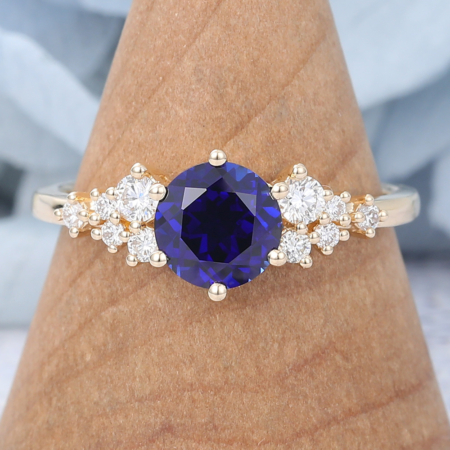
Moissanite vs Sapphire for Everyday Jewelry
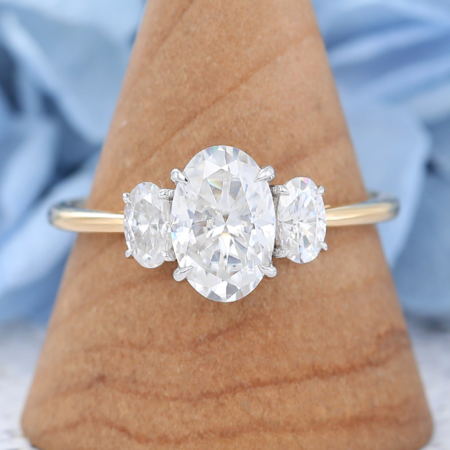
For everyday jewelry such as stacking rings or simple pendants, moissanite offers consistency and resilience. Its appearance remains unchanged across lighting conditions, making it easy to pair with different outfits and metals.
Sapphire works well for everyday wear when chosen thoughtfully. Neutral tones or lighter colors integrate easily into daily styling, while deeper colors make stronger statements. The choice depends largely on whether the wearer values versatility or expression.
Ethical and Sustainability Considerations
Moissanite is inherently lab-created, which simplifies ethical considerations. Its production avoids mining impacts and offers full transparency in sourcing, which aligns with modern sustainability expectations.
Sapphire ethics depend on origin. Lab-grown sapphires provide a comparable alternative with reduced environmental impact, while natural sapphires may require careful sourcing to ensure responsible practices. Buyers concerned with sustainability often weigh this factor heavily.
Who Should Choose Moissanite
Moissanite suits buyers who prioritize brilliance, durability, and cost efficiency. It appeals to those who prefer a modern look and want control over size and design without compromising wearability. Practical decision-makers often gravitate toward moissanite for its clarity and reliability.
Who Should Choose Sapphire
Sapphire is better suited to buyers who value color, symbolism, and tradition. It resonates with individuals seeking jewelry that feels personal or historically grounded. Those drawn to subtle elegance rather than visual intensity often find sapphire more satisfying long term.
Moissanite vs Sapphire: Final Thoughts for Modern Jewelry Buyers
Choosing between moissanite and sapphire ultimately depends on how you define value in jewelry. Brilliance versus color, consistency versus individuality, and modern efficiency versus traditional meaning all play a role. For modern consumers, moissanite vs sapphire is less about which gemstone is objectively better and more about which one aligns with lifestyle, aesthetic preference, and the story they want their jewelry to tell.
FAQs About Moissanite vs Sapphire
Is moissanite or sapphire better for everyday wear?
Both moissanite and sapphire are suitable for everyday wear, but moissanite’s higher refractive index and resistance to surface abrasion make it especially practical for daily rings, while sapphire appeals to those who prioritize color stability and a more understated look.
Is moissanite cheaper than sapphire?
Moissanite is generally more affordable than sapphire of comparable size and quality, allowing buyers to choose larger stones or more detailed settings without significantly increasing the overall budget.
Does moissanite look like a diamond compared to sapphire?
Moissanite more closely resembles a diamond due to its strong brilliance and fire, whereas sapphire has a softer light return that emphasizes color depth rather than sparkle.
Which lasts longer, moissanite or sapphire?
Both gemstones are highly durable for long-term use, but moissanite’s slightly higher hardness and toughness help it maintain its polish and clarity over time with minimal maintenance.
What colors does moissanite come in?
Moissanite is available in colorless and near-colorless options as well as a range of fancy colors, including blue, green, yellow, gray, and black, allowing it to suit both classic and more expressive jewelry designs.
Is blue moissanite a good alternative to blue sapphire?
Blue moissanite offers a brighter, more reflective appearance compared to blue sapphire, making it a suitable alternative for buyers who prefer vivid sparkle over the deep, velvety color typically associated with sapphire.
Are moissanite and sapphire ethical choices?
Moissanite is lab-created and widely considered an ethical option in the US, while sapphire can also be ethical when lab-grown or responsibly sourced, though buyers may need to verify origin and sourcing practices.
Which gemstone is more popular for engagement rings?
Moissanite has gained strong popularity in the US engagement ring market due to its affordability and diamond-like appearance, while sapphire remains a favored choice for those seeking symbolic meaning or distinctive color.
Does moissanite hold its value compared to sapphire?
Moissanite is valued for its performance and affordability rather than resale value, whereas sapphire, particularly natural stones, may retain value depending on color quality and origin.