Christmas: 25% off All ltems · Code AFJ25 ·Ends Dec 30 30% off All Items ·On Orders Over $600 – Code AMANDA30
How to Stack Rings Without Feeling Bulky: Tips for Comfortable All-Day Wear
Over a lifetime, most people collect dozens of rings such as engagement rings, antique rings and so on, each marking a memory, milestone, or personal style choice. This ring stacking guide explains how to stack rings so you can wear multiple pieces at once without feeling bulky, turning your collection into a cohesive statement. By mixing shapes, sizes, and metals thoughtfully, you can try creative stacking rings ideas that let each ring tell its story while maintaining a comfortable, layered, and elegant look all day.
What Is Ring Stacking
A stack of rings means wearing several rings on the same finger or spreading them across different fingers, creating a layered look that shows off your personal style. Unlike wearing just a single ring, stacking allows you to mix materials, colors, and designs, giving each piece a chance to shine while expressing your individuality.
Understanding Why Ring Stacks Can Feel Bulky
- Too Many Rings: Wearing too many rings on the same finger increases pressure, making it uncomfortable.
- Ring Thickness or Size: Wide bands, heavy metal rings, or rings with large gemstones can collide when stacked, taking up more space and adding bulk.
- Incompatible Materials and Designs: Stacking rings of different metals or vastly different shapes may cause friction or pinching, increasing both visual and physical heaviness.
- Finger Size and Shape: People with shorter or thicker fingers may feel overcrowding if ring sizes and combinations are not chosen thoughtfully, leading to a bulky sensation.
Choosing the Right Base Rings for a Comfortable Stack
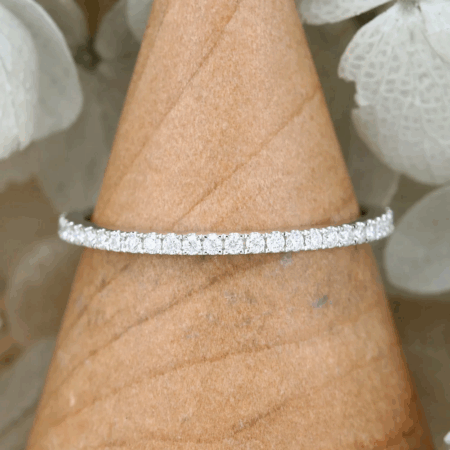
Choosing the right base rings is key to a comfortable and stylish stack. Start with thin, simple bands as your foundation like straight wedding bands , then build up with more detailed pieces. These layer rings create a balanced look without feeling heavy, while carefully selecting the best stacking rings ensures each layer complements the others. Paying attention to size and shape helps your rings sit well together, so your stack looks effortless all day.
Balancing Width and Proportion Across Your Stack
Balancing width and proportion across your stack starts with understanding how different ring profiles interact with your hand shape. Instead of focusing only on thin-versus-wide bands, look at how the overall height of each ring builds on the finger. A stack with too much vertical height can feel stiff, while a mix of low-profile designs creates a smoother line. Paying attention to how the rings sit side by side also helps; when the edges align naturally, the stack feels refined without adding unnecessary weight.
Stacking Engagement Rings and Wedding Bands
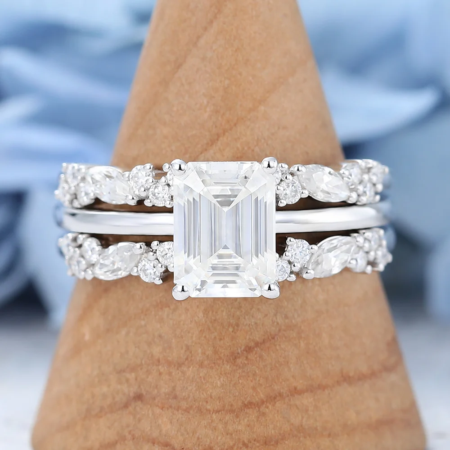
Stacking engagement and wedding rings works best when both pieces support each other in shape and scale, especially since most people wear them together on the ring finger of the left hand. Choosing a wide engagement ring with thin wedding band keeps the stack balanced and allows the center stone to stand out without adding extra bulk. The opposite pairing — a wide wedding band with thin engagement ring — creates a clean structure where the wider band forms a steady base and the engagement ring adds a lighter top layer.
Starting your combination with thin wedding bands makes it easier to create simple stacked wedding rings that stay comfortable through daily activities. As a practical stacking engagement and wedding rings method, focus on matching the height, width, and curve of both rings so your stacked engagement rings sit smoothly on the ring finger and avoid crowding or friction.
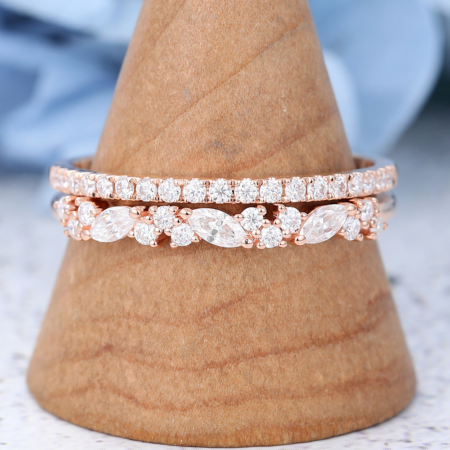
Stacking Eternity Rings
Stacking eternity rings works best when you choose designs that sit evenly on the finger and avoid unnecessary height. Because the stones wrap all the way around the band, two eternity rings can feel tight if their profiles differ, and the settings may press against each other. Many people start with a slim, low-profile eternity ring and pair it with another ring that has a similar side curve, allowing the stones to line up smoothly without creating pressure points. This keeps the sparkle visible while preventing the stack from feeling rigid or bulky.
Stacking Birthstone Rings
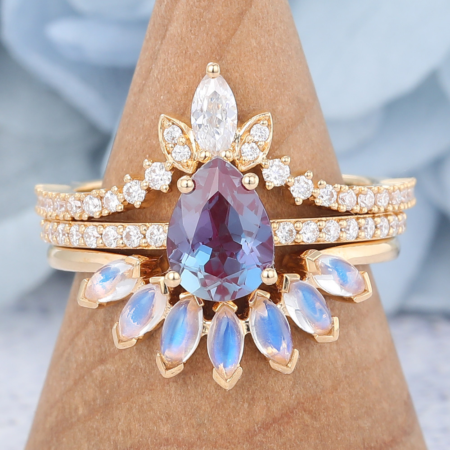
Stacking birthstone rings is a meaningful way to combine personal stories while keeping the arrangement comfortable and balanced. While everyone has only one birth month, many people choose to wear multiple birthstone rings to represent loved ones, such as children, partners, or family members, or to celebrate different personal milestones.
When creating a stack, start by selecting a base ring—often the most significant birthstone—and wear it closest to the base of your finger. Build the stack gradually by layering additional rings above or beside it, paying attention to the width and profile of each band so the stones don’t press against each other. Mixing different gem shapes or subtle metal textures can create visual interest, but aim to keep at least one consistent element, such as band thickness or metal type, to maintain balance.
Stacking Simple Gold and Silver Bands
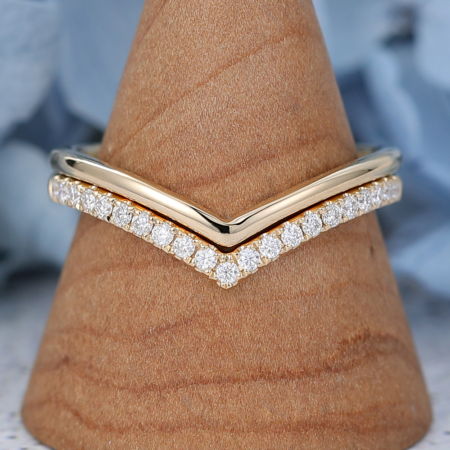
Stacking simple gold or silver bands is all about creating a clean, elegant look while keeping comfort in mind. When building a stack of gold rings, vary the widths by combining thin and slightly wider bands, but also pay attention to the height of each ring so they sit smoothly together without rubbing or catching. Rounded edges and consistent profiles help maintain comfort, especially for softer metals like gold and silver.
The order of stacking matters: place the widest or most prominent rings closest to the base of your finger, then layer thinner or simpler bands above to create stability and a balanced appearance. Choosing high-quality metals and leaving enough space for finger movement ensures your gold and silver stacking rings are not only stylish but also comfortable for all-day wear.
Stacking Statement Rings
When it comes to stacking statement rings, the goal is to let each bold piece shine while keeping the stack wearable. Start by pairing one prominent ring with several smaller, delicate pieces—using dainty stacking rings as companions ensures the focus stays on the statement piece without overwhelming the finger. This approach is particularly popular for ladies stacking rings, allowing women to mix textures, metals, and designs in a way that highlights personal style. Paying attention to spacing, finger movement, and ring profile helps maintain comfort while creating a layered, eye-catching arrangement that works for both everyday wear and special occasions.
Stacking Gemstone Rings
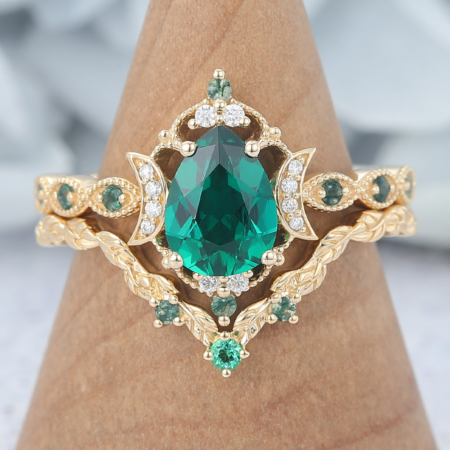
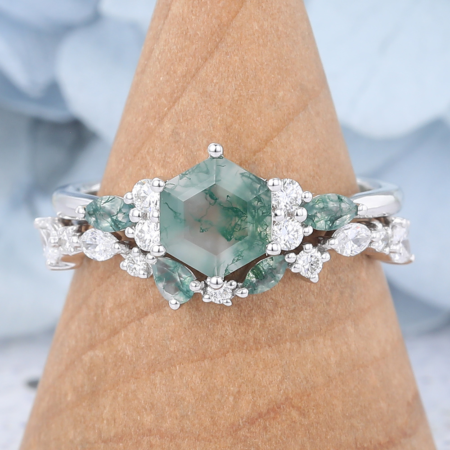
Stacking gemstone rings is a creative way to showcase both color and personal meaning. One approach is to organize your gem stacking rings by color gradient, starting with the lightest stone near the base of your finger and layering progressively deeper hues above, which not only creates a flowing, visually appealing effect but also makes the finger appear longer and more elegant. Another method is to group rings by theme or symbolism, using personalized stacking rings to represent milestones, loved ones, or special memories, so each layer tells its own story. By varying shapes and textures rather than focusing solely on size or height, you can achieve a vibrant, expressive stack that feels intentional and distinctive.
Stacking Mixed Metal Rings
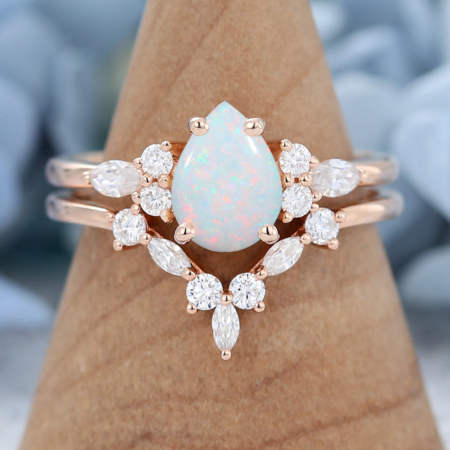
Stacking mixed metal rings is a stylish way to add dimension and interest to your hand by combining different gold and metal tones. For a yellow gold stack, start with one or two warm bands and layer them with narrower white or rose gold rings to create contrast without overwhelming the finger. White gold stacks pair well with both yellow and rose gold, and alternating metals in a repeating pattern can produce a balanced, modern look. Rose gold bands can be layered with thinner pieces to add warmth and softness, creating a harmonious stack without overcomplicating the arrangement. Platinum can anchor a mixed-metal stack, providing a sturdy, sleek base that contrasts subtly with warmer tones. When building your stack, place wider bands at the base of your finger and layer thinner ones above, keeping the metals evenly spaced so the rings sit neatly and comfortably together.
Placement Strategies for All-Day Comfort
When stacking rings, placement is key to all-day comfort. Start by positioning the widest or most prominent rings near the base of your finger, where they are most stable. Layer thinner or lighter rings above to prevent the stack from feeling top-heavy. Consider spacing between rings—leaving a small gap or alternating metals can reduce friction and allow fingers to bend naturally. Pay attention to finger shape and knuckle height: rings that fit snugly below the knuckle but have room to move above it will stay comfortable throughout the day. Thoughtful placement ensures your rings look cohesive while remaining easy to wear from morning to night.
How to Test Your Stack for Comfort Before Wearing Out
Before heading out, it’s important to check that your ring stack feels comfortable. Start by flexing your fingers and making a fist to ensure none of the rings pinch or slide uncomfortably. Rotate each ring slightly to see if any edges dig into the skin, and gently shake your hand to test whether the stack stays in place. Pay attention to how the rings feel when touching adjacent fingers—too-tight bands or uneven heights can cause rubbing or pressure points.
Mistakes to Avoid When Stacking Rings
- Avoid stacking too many wide or bulky rings on the same finger. Doing so can create pressure points, restrict movement, and make the stack uncomfortable for all-day wear.
- Don’t mix rings with very different heights or uneven edges without proper spacing. Rings that rub against each other can cause discomfort and scratch the metal or stones.
- Pay attention to finger size when stacking. Rings that are too tight may dig into the skin, while rings that are too loose can twist or slide out of place.
- Maintain balance and proportion in your stack. Piling on rings without considering size, width, or visual weight can make the arrangement look chaotic rather than intentional.
- Be cautious with materials and textures. Mixing soft metals with harder metals without care can lead to dents, scratches, or uneven wear over time.
Conclusion
Learning how to stack rings is both a creative and personal journey. By experimenting with widths, metal tones, gemstone colors, and placement, you can turn a simple collection into layered, eye-catching arrangements. For those looking to make their stack truly unique, custom stacking rings from AmandaFineJewelry allow you to design combinations that reflect your style and story, ensuring each ring sits comfortably while showcasing your personality. Start your customized journey by contacting us via email service@amandafinejewelry.com.
Also Read: Top 10 Stacking Rings Trends for 2026
FAQs About Stack Rings
What is a stacking ring?
A stacking ring is a ring designed to be worn together with other rings, creating a layered and personalized look on one or multiple fingers.
How do you wear stacked rings?
Start with a base ring and layer thinner or complementary rings above or beside it, balancing width, metal, and style for comfort and visual appeal.
How do you stack wedding and engagement rings?
Place the wider ring closest to the base of your finger and layer the thinner one above, or align them so both rings sit comfortably without overlapping awkwardly.
How can you keep stacked rings from spinning?
Ensure each ring fits properly, place wider or heavier rings at the base, and leave small gaps between bands to prevent slipping or rotation.
How do I choose which rings to stack?
When choosing rings to stack, consider band width, metal tone, and overall style. Start with a base ring and layer thinner or complementary pieces on top, balancing comfort and visual appeal.
Can men wear stack rings?
Yes, stack rings are not limited to women. Men often choose simpler bands or statement pieces for layering, creating a personalized and stylish stack that suits their taste.