Christmas: 25% off All ltems · Code AFJ25 ·Ends Dec 30 30% off All Items ·On Orders Over $600 – Code AMANDA30
Moissanite vs Lab Diamond: The Ultimate Side-by-Side Guide for Look, Value, and Longevity
When choosing the perfect gemstone for an engagement ring or wedding ring, it’s helpful to understand the most popular options and how they compare. The debate of moissanite vs lab diamond often arises, as both stones offer striking brilliance and durability. Knowing the difference between lab grown diamonds and moissanite can help you weigh appearance, cost, and long-term value. This guide breaks down how they compare side by side, helping you make an informed choice for a piece you’ll cherish for years.
What is Moissanite?
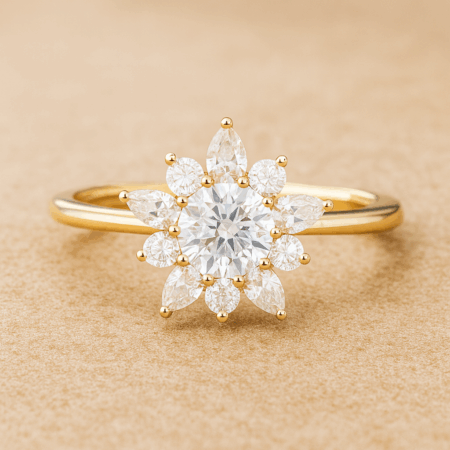
Moissanite is a sparkling gemstone often used as a diamond alternative in finejewelry. The moissanite definition refers to a silicon carbide crystal prized for its brilliance, fire, and durability. The origin of moissanite traces back to its first discovery in a meteorite crater, though today’s moissanite gemstones are almost exclusively lab-created, combining this cosmic history with modern sustainability and consistency.
What is a Lab Grown Diamond?
A lab grown diamond is a real diamond created in a controlled laboratory environment, sharing the same physical, chemical, and optical properties as natural diamonds. Also called a synthetic diamond or man made diamond, it offers the brilliance and durability of natural diamonds while being more affordable and environmentally friendly.

Moissanite vs Lab Diamond
Origin
Moissanite was first discovered in a meteorite crater, though today it is almost always lab-created.
Lab diamonds, also called synthetic diamonds or man made diamonds, are entirely grown in laboratories using HPHT or CVD methods. While both are lab-created today, moissanite has a unique cosmic history, whereas lab diamonds replicate the natural diamond’s formation process.
Appearance and Color
Moissanite is famous for its exceptional brilliance and fire, largely due to its high refractive index of 2.65–2.69 and dispersion of 0.104, which creates a noticeable rainbow-like sparkle. Many buyers prefer colorless moissanite, as it closely resembles a diamond’s clear appearance. The best color for moissanite is generally in the D-F range, offering a pure, bright look that enhances the gem’s natural fire.
Lab grown diamonds have a slightly lower refractive index of 2.42 and dispersion of 0.044, giving them a sparkle that is more subtle and white compared to moissanite. While diamonds reflect less rainbow-like fire, their light is crisp and elegant, offering a classic brilliance that many prefer for a traditional diamond look. Compared side by side, moissanite tends to appear more fiery and colorful, whereas lab diamonds display a steadier, whiter sparkle.
Also Read: From D to Z: Master the Diamond Color and Clarity Chart Before You Buy
Clarity
Moissanite is naturally very clean, with most stones free of visible inclusions to the naked eye. The moissanite clarity scale ranges from IF (Internally Flawless) to VS (Very Slightly Included), helping buyers choose stones with minimal internal imperfections. Even lower-grade moissanite tends to appear flawless without magnification, making it an attractive, eye-clean option for engagement and wedding rings.
Lab grown diamonds can also achieve high clarity, often ranging from IF to SI1 (Slightly Included), similar to natural diamonds. While inclusions may exist, they are typically microscopic and do not affect the gem’s brilliance or overall appearance. Compared to moissanite, lab diamonds may show slightly more inclusions under magnification, but to the naked eye, both stones generally appear remarkably clear.
Value
Moissanite offers strong value for buyers seeking brilliance without the high cost. The value of moissanite comes from its durability, eye-clean clarity, and vibrant fire, all at a fraction of diamond pricing. The price of moissanite stone per carat typically ranges from low to mid hundreds depending on size and grade, making it an affordable choice for engagement and wedding rings without sacrificing sparkle.
Lab grown diamonds hold value in their diamond identity and traditional appeal. When comparing moissanite price vs diamond, even lab diamonds cost noticeably more per carat because they share the same chemical composition, structure, and grading standards as mined diamonds. Lab diamonds generally range from mid to high thousands per carat depending on color, clarity, and cut. While moissanite is the more budget-friendly option, lab diamonds appeal to buyers who prioritize owning a real diamond at a more accessible price than mined stones.
Durability
Moissanite is highly durable, making it suitable for everyday wear. The hardness of moissanite is 9.25 on the Mohs scale, giving it strong scratch resistance and long-term stability. This high level of moissanite durability allows the stone to stay bright and clear even with frequent use, which is why many buyers consider it a reliable alternative in the moissanite vs lab diamond comparison.
Lab grown diamonds rank at the top of the Mohs scale with a hardness of 10. When looking at the hardness of moissanite vs diamond, diamonds hold a slight advantage in scratch resistance and overall toughness. This difference makes lab diamonds the more durable option in the long run, especially for those who want maximum resistance to wear and tear. However, both stones perform exceptionally well in daily settings and remain secure choices for engagement and wedding rings.
Longevity
Moissanite maintains its brilliance and structural stability over time, making it a reliable choice for long-term wear. The stone doesn’t cloud, fade, or change color, and its resistance to heat and scratching keeps it looking bright even after years of daily use. Because of its stable crystal structure, moissanite retains its sparkle with minimal maintenance, offering longevity that performs well in everyday settings.
Lab grown diamonds also hold their appearance indefinitely, as they share the same composition and physical properties as mined diamonds. Their clarity and brightness remain unchanged over time, and their exceptional hardness ensures they resist wear and maintain polish for decades.
Also Read: Do Moissanite Rings Last Like Diamonds? Expert Insights On Longevity
Resale and Investment Value
Moissanite has limited resale value because it is positioned as an affordable gemstone rather than an investment piece. Most jewelers do not offer buyback programs, and secondhand prices remain low, reflecting its role as a budget-friendly choice rather than an appreciating asset.
Lab grown diamonds also hold modest resale value, as production costs continue to drop and the market views them as non-investment diamonds. While they offer the same look and durability as mined diamonds, their resale prices are typically well below the original purchase cost. Both stones are best chosen for personal enjoyment rather than long-term financial return.
Pros and Cons Comparison
Pros of Moissanite
- Strong sparkle with high refractive index
- Lower price for larger stone sizes
- Excellent durability suitable for daily wear
Cons of Moissanite
- Rainbow-like fire may appear less natural
- Lower resale value over time
Pros of Lab Diamond
- Diamond-like brilliance and natural appearance
- Higher resale stability than moissanite
- Wide range of grading and certification options
Cons of Lab Diamond
- Higher cost compared with moissanite
- Resale value still below natural diamonds
Moissanite vs Lab-Grown Diamond, Which to Choose for Your Jewelry?
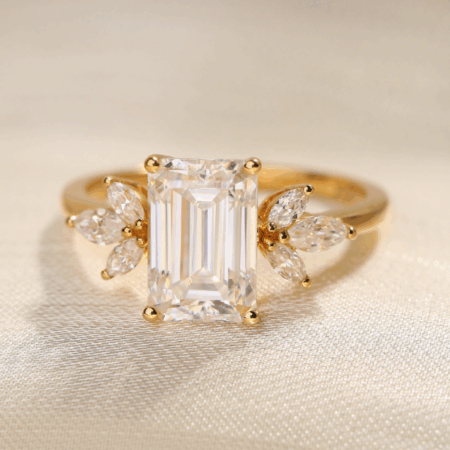
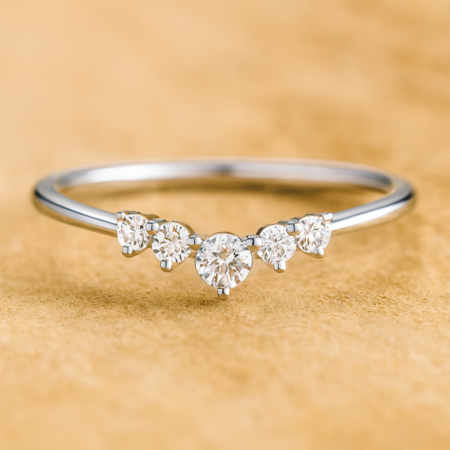
Choosing between moissanite and lab-grown diamond often comes down to what you value most in your jewelry. If you want noticeable sparkle with a friendly budget, affordable moissanite jewelry offers impressive brilliance and size options without stretching your costs. For those who prefer a classic look with long-term value, a diamond engagement ring and wedding ring delivers a timeless appearance close to natural diamonds.
What’s more, Amanda provides a curated selection of elegant moissanite rings and refined lab diamond jewelry, all available with full customization to match your style, budget, and personal story.

Conclusion
Looking at moissanite vs lab diamond side by side makes the differences in look, value, and longevity clear. Moissanite stands out for its lively sparkle and affordability, perfect for those who want eye-catching jewelry without overspending. Lab diamonds offer a more classic, timeless appearance and durable long-term performance. Choosing between them depends on which qualities matter most for the piece you’ll cherish for years.
FAQs About Moissanite vs Lab Diamond
Is moissanite a lab grown diamond?
No, moissanite is a separate gemstone made of silicon carbide, not carbon like diamonds.
Does moissanite look like a diamond?
Yes, moissanite closely resembles a diamond, especially in colorless varieties.
Does moissanite shine brighter than diamonds?
Yes, moissanite has higher refractive index and dispersion, giving it more rainbow-like sparkle.
Is moissanite cheaper than diamond?
Yes, moissanite is significantly more affordable than both mined and lab grown diamonds.
Are lab grown diamonds real?
Yes, lab grown diamonds are real diamonds with the same chemical and physical properties as natural diamonds.
How to tell moissanite from lab diamond?
Moissanite shows stronger rainbow fire and double refraction under magnification, unlike lab diamonds. To know more identification methods, you can click How to Tell Moissanite from Diamond: 6 Tips Jewelers Don’t Always Share.
What's the difference between moissanite and diamond?
Moissanite is made of silicon carbide, more sparkly and affordable, while diamonds are carbon crystals with a classic appearance and higher resale value.
Does moissanite pass diamond tester?
Some testers may indicate moissanite as a diamond. So you had better combine the test with other test together.
Why does moissanite pass diamond tester?
Moissanite conducts heat and electricity in ways similar to diamonds, which can cause standard testers to give a positive reading.
Is a moissanite better than a diamond?
It depends on priorities—moissanite offers affordability and extra sparkle, while diamonds offer a timeless look and long-term value.
Which should I choose, moissanite or lab diamond?
Choose based on preference and budget: moissanite for affordability and fire, lab diamonds for classic appearance and durability.