Christmas: 25% off All ltems · Code AFJ25 ·Ends Dec 30 30% off All Items ·On Orders Over $600 – Code AMANDA30
How to Tell Moissanite from Diamond: 6 Tips Jewelers Don’t Always Share
As two of the most popular gemstones on the market, moissanite and diamond are often compared for their brilliance, durability, and value. While they may appear similar at first glance, knowing the differences is essential for buyers and collectors alike. This guide explains how to tell moissanite from diamond through practical observations and professional insights, helping you make informed choices when selecting gemstones for engagement rings, stacking rings, bridal jewelry sets or other fine jewelry.
Is Moissanite A Real or Fake Diamond
Many shoppers ask ‘Is moissanite a real or fake diamond?’ largely because the two gemstones look strikingly similar in brilliance and overall appearance. Moissanite is not a true diamond, but it is also not a ‘fake’. The two gems differ completely in chemical composition and crystal structure, and even their visual qualities show subtle distinctions. Moissanite and diamond are simply two independent gemstones, and moissanite has become known as a diamond alternative because it offers a comparable look at a more approachable price. For those who appreciate its unique fire and durability, choosing real moissanite jewelry has become a practical and genuinely appealing option—not a compromise for the lack of a diamond, but a preference based on value and aesthetics.
The Origins and History of Moissanite
Moissanite was first discovered in a meteorite crater in the United States, with the earliest real natural moissanite stones found within meteorite fragments and named after the scientist who identified them. However, natural moissanite suitable for use as gemstones is extremely rare, appearing only in tiny inclusions within deep mantle rocks. Later, some institutions successfully developed gem-quality synthetic moissanite in laboratories, which is what truly brought moissanite into the jewelry market and established it as one of the most popular diamond alternatives.
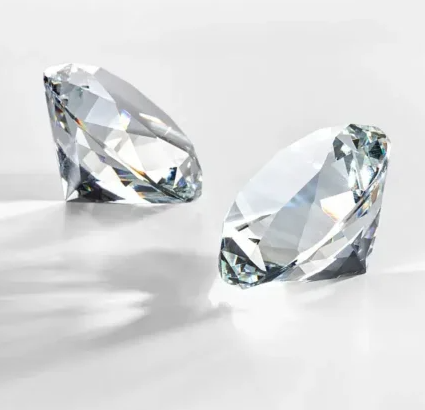
Understanding Moissanite and Diamond: Fundamental Differences
For anyone wondering how to tell the difference between diamond and moissanite, it’s helpful to start by looking at the unique properties of moissanite and diamond. While both gemstones sparkle brilliantly, Moissanite differs from diamond in composition, optical behavior, and physical characteristics, which become apparent once you know what to observe. Understanding these traits allows buyers to recognize subtle but meaningful distinctions without relying solely on assumptions.
- Chemical Composition: Diamond is pure carbon, while Moissanite is silicon carbide, giving it unique chemical properties.
- Hardness: Diamond reaches 10 on the Mohs scale, whereas Moissanite is slightly softer at 9.25, affecting how it wears over time.
- Brilliance and Fire: The refractive index of moissanite is higher than diamond, creating more intense sparkle and rainbow-colored fire.
- Double Refraction: Moissanite shows slight double refraction under magnification, unlike diamond, which has single refraction.
- Thermal Conductivity: Diamond conducts heat extremely well; Moissanite behaves similarly, though some testers can detect subtle differences.
- Inclusions and Growth Patterns: Natural diamonds and lab-grown Moissanite display different inclusion types and crystal growth patterns.
- Color Range: Diamonds occur in a wide spectrum of colors; Moissanite is usually near-colorless, with lab-grown stones adjusted for desired shades.
Understanding Diamond and Moissanite Side by Side by Reading:
Reliable At-Home and Visual Methods (What Anyone Can Try First)
Observation of Double Refraction / Facet Doubling
One of the simplest at-home methods to tell Moissanite from Diamond is observing the double refraction of moissanite. When looking at the stone under a 10× loupe or microscope, you may notice that the edges of the facets or some internal reflections appear doubled or slightly offset. This visual effect, known as facet doubling, occurs because light entering Moissanite splits into two rays due to its double refraction. Diamonds, on the other hand, have no double refraction, so their facets appear crisp and singular, making this a straightforward way for buyers to identify Moissanite.
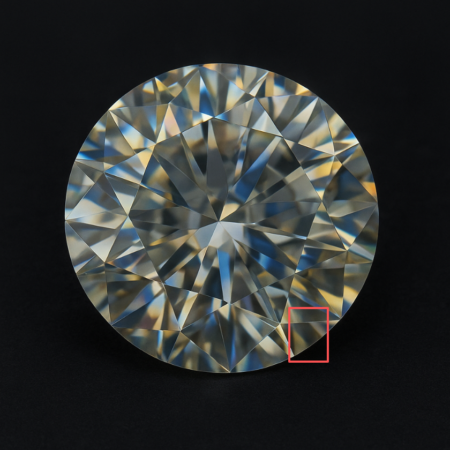
Moissanite’s facet doubling
Observation of Fire and Brilliance
Another reliable at-home method to distinguish a brilliant moissanite from a diamond is observing fire and brilliance. Moissanite’s unique crystal structure bends and splits light more than diamond, creating colorful flashes known as moissanite fire. While a diamond also sparkles, its brilliance is typically whiter and less rainbow-like, making this visual test an easy first step for identification.
Inspecting Facet Edges and Cut Quality
Looking closely at a stone’s facet edges can reveal its cut quality. Diamonds usually have sharply defined, precise facets, while moissanite may show minor irregularities due to different cutting techniques. Noticing these details can make it easier to tell the stones apart at a glance.
Professional and Instrument - Based Methods (For More Certain Identification)
Electrical Conductivity / Moissanite Tester
A moissanite tester works by measuring electrical conductivity, which differs notably between moissanite and diamond. Moissanite conducts electricity more readily than diamonds, so when the probe touches the stone, it registers a positive reading for moissanite and a negative or minimal response for diamonds. This clear difference makes it easier for consumers to distinguish the two stones with confidence.
Also Read: Does Moissanite Pass Diamond Tester
Refractive Index Measurement & Birefringence
Refractive index measurement is a precise way to identify gemstones. Moissanite has a higher refractive index than diamond, bending light more strongly. Instruments like a refractometer can detect this difference, while also revealing birefringence—the slight splitting of light within moissanite crystals—which diamonds lack. These measurements provide a reliable method for confirming the stone’s identity.
Microscopic Inspection of Inclusions and Internal Structure
Using a microscope to inspect a stone can reveal telling differences in internal features. Natural diamonds often contain tiny, irregular inclusions formed during their creation, while moissanite is typically flawless or shows characteristic synthetic patterns like doubled facet edges. Observing these internal details allows gemologists and enthusiasts to confidently distinguish moissanite from genuine diamonds.
Combining Methods Like a Pro: Smart Protocol for Buyers
For buyers aiming to confidently identify a real diamond, the most effective approach is to combine several professional and at-home methods. Start with visual checks of fire, brilliance, and facet edges. For more certainty, professional tests like refractive index measurement, electrical conductivity, and microscopic inspection of inclusions can be added. Following this comprehensive protocol ensures a clear distinction between moissanite and a real diamond.
Why Some Common ‘Old-School’ Tests Are Unreliable or Risky
Some traditional at-home tests for identifying gemstones are unreliable or even risky. Methods like the fog test, scratch test, and using a heat source may seem simple, but they can give false results or damage the stone. For example, scratching a moissanite or diamond with another hard object can leave marks, and heating the stone may cause sudden cracking. Relying on these old-school approaches is no substitute for careful observation and professional testing.
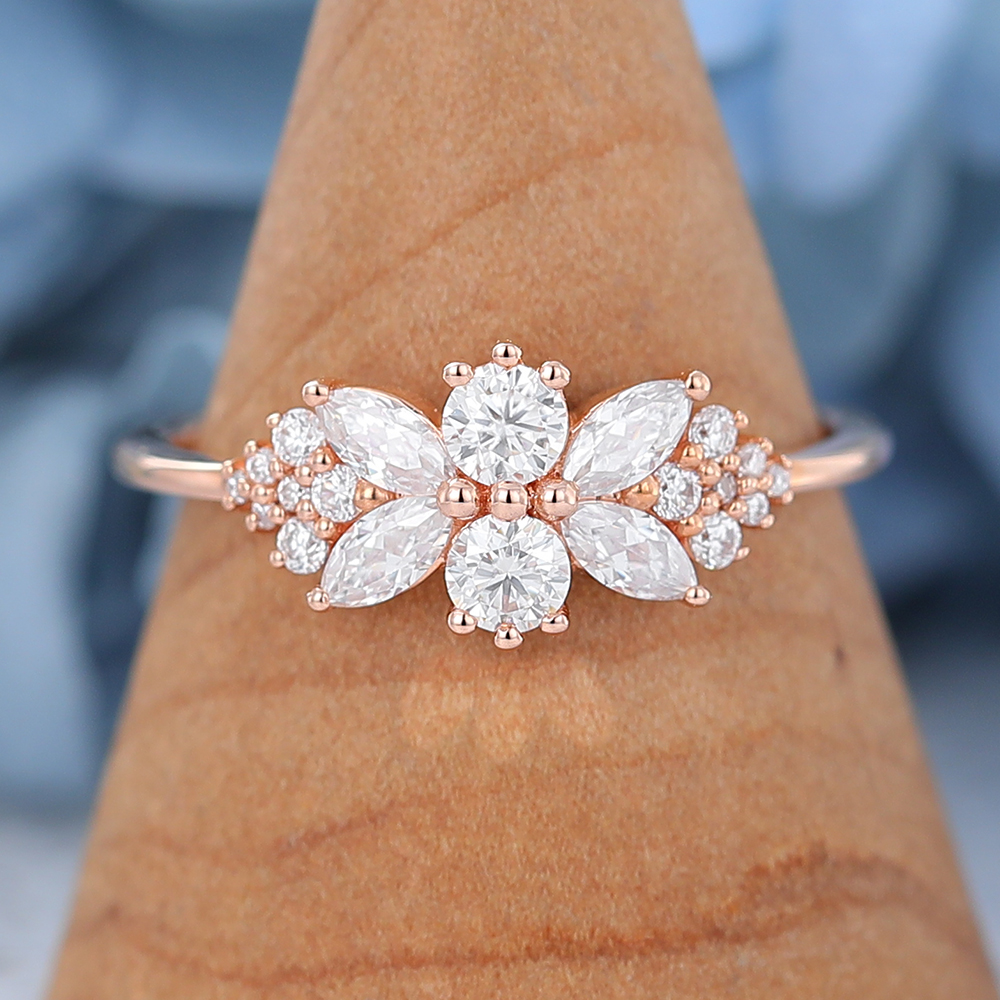
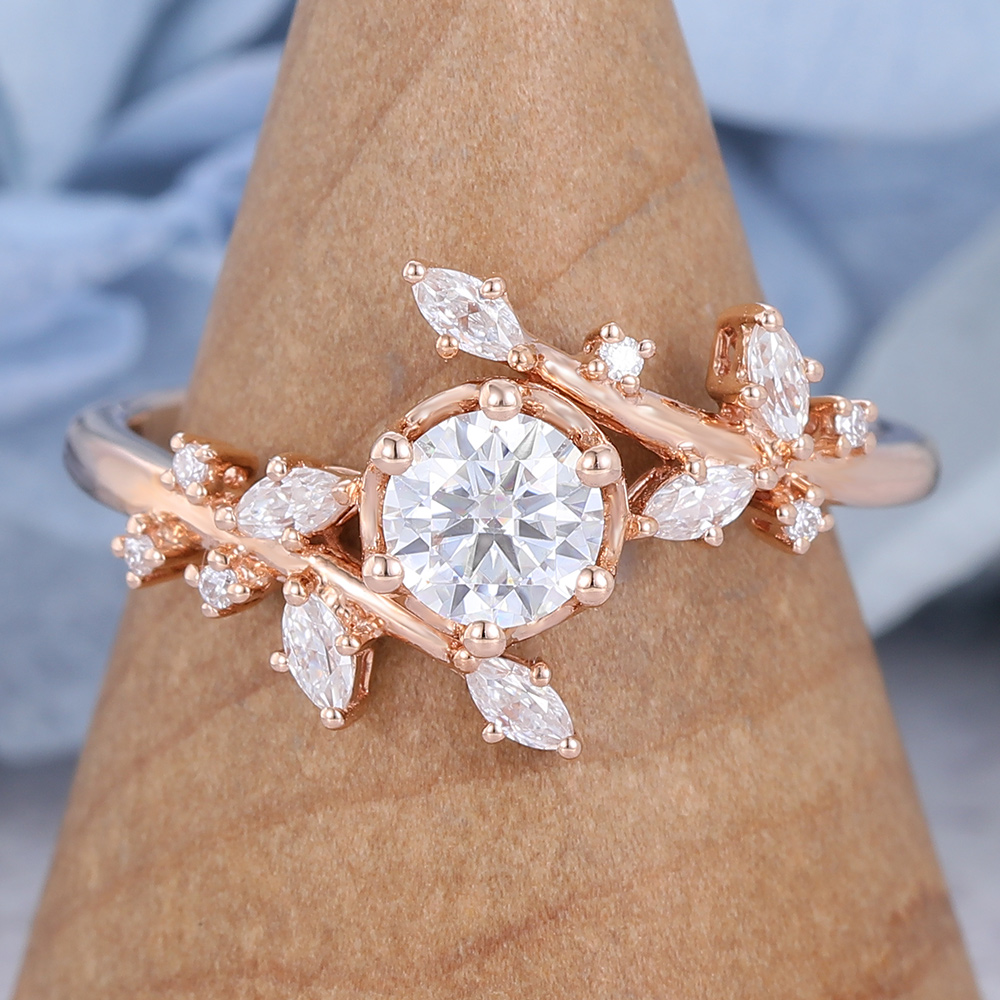
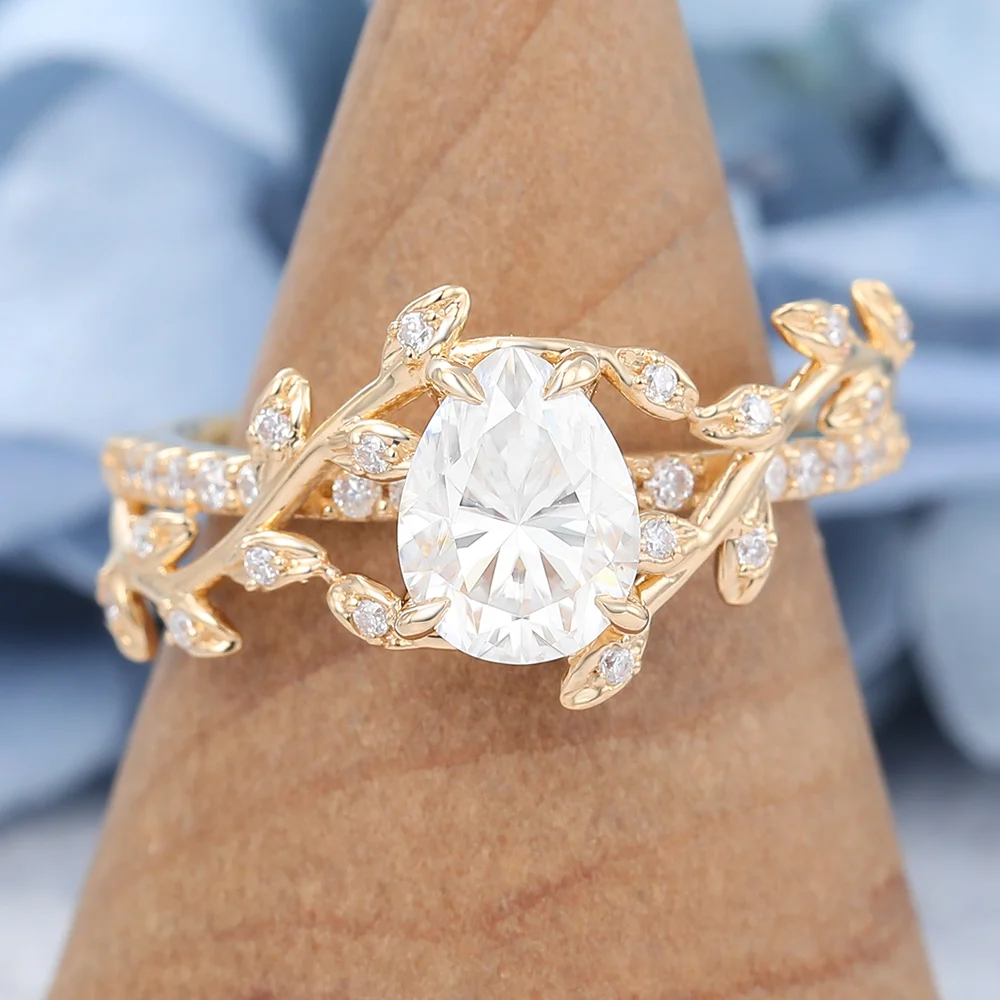
Real Moissanite Jewelry from AmandaFineJewelry
Conclusion: Best Practices When Buying or Verifying a Stone
Genuine moissanite offers remarkable brilliance and fire, making it a stunning and ethical alternative to diamonds. At the same time, knowing how to tell moissanite from diamond equips buyers with the knowledge to confidently identify a real diamond and avoid fakes. Understanding these differences ensures both an informed purchase and appreciation for moissanite’s unique beauty.
FAQs About How to Tell Moissanite from Diamond
Are moissanites natural?
Most moissanites available today are lab-created, not naturally occurring.
What is synthetic moissanite?
Synthetic moissanite is a lab-grown gemstone that mimics diamond’s brilliance and durability.
What does moissanite mean?
Moissanite is named after Henri Moissan, the scientist who first discovered the mineral in nature.
Does moissanite look fake?
No, a quality moissanite has exceptional sparkle and can resemble a diamond closely.
Can moissanite pass a diamond test?
Some basic diamond testers may misidentify moissanite, so professional multi-test methods are more reliable.
Does moissanite shine like a diamond?
Yes, moissanite exhibits remarkable brilliance and fire, often appearing even more colorful than diamonds.
How to tell moissanite from diamond?
Visual checks, multi-angle observations, and professional tests like refractive index or electrical conductivity help distinguish the two.
What is proven when a diamond has a flash effect?
A flash effect indicates light dispersion, which is stronger in moissanite, helping differentiate it from a real diamond.