What Finger Does a Wedding Ring Go On? The Meaning Behind the Choice
Many people begin their search with the same question: what finger does a wedding ring go on, and does the choice carry deeper meaning? The answer is shaped by long-standing customs, symbolic beliefs, and personal habits. While most follow a widely accepted tradition, the reasons behind it are more layered than they appear at first glance, and understanding those layers helps make the placement feel intentional rather than routine.
What Finger Does a Wedding Ring Go On - The Traditional Wedding Ring Finger
The traditional finger for a wedding ring in the United States is the left-hand ring finger, a placement shaped by long-held customs and symbolic beliefs. This ring on fourth finger approach applies both to the women’s wedding ring finger and the marriage ring finger for man, making the gesture a shared expression of commitment rather than a gender-specific rule. Although the practice comes from older traditions, its meaning remains widely recognized today, allowing couples to follow a familiar ritual that still feels personal and intentional.
Left Hand vs. Right Hand: Cultural Differences
Different cultures have their own answers to the question of the wedding ring finger left or right, and these traditions shape how couples choose their placement and their wedding ring hand.
In much of North America and Western Europe, the left-hand ring finger is the common choice. In contrast, countries such as Germany, Russia, Greece, and several parts of Latin America place marriage rings on the right-hand ring finger, a custom rooted in regional history or religious practice.
Some Middle Eastern and South Asian traditions vary between engagement and marriage stages, creating different expectations for where to wear a wedding ring. These cultural patterns highlight how ring placement reflects local identity rather than a universal rule.
Engagement Ring and Wedding Ring Placement
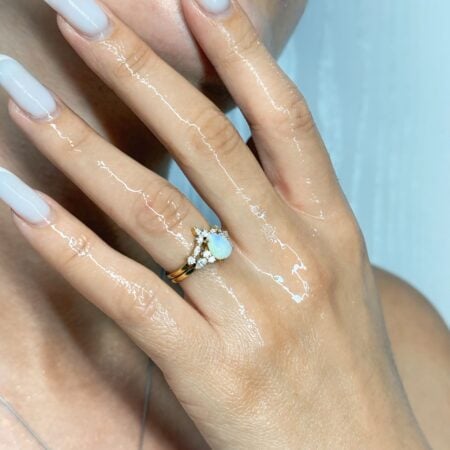
Engagement rings and wedding rings often share the same finger, but their placement can vary depending on tradition and personal preference. Typically, the engagement ring is worn on the left-hand ring finger during the engagement period. On the wedding day, the wedding ring is placed closest to the heart on that same finger, with the engagement ring positioned above it. Some couples choose to temporarily move the engagement ring to the right hand to make room for the wedding band, then return it afterward. This arrangement ensures both rings complement each other while maintaining the symbolic order of commitment and love.
What the Wedding Ring Finger Symbolizes
The wedding ring finger carries deep symbolic meaning across cultures. Wearing a ring on this finger represents commitment, love, and a lifelong bond between partners. Traditionally, it is believed that a vein runs directly from this finger to the heart, giving the gesture an added layer of romantic significance. Beyond physical symbolism, the choice of finger also reflects cultural values, personal intentions, and the desire to publicly display a commitment. For many couples, the wedding ring finger becomes a daily reminder of their vows and shared journey, blending tradition with personal meaning.
In some situations, the question of what finger does a wedding ring go on becomes less important, as practicality or personal choice may guide the decision.
During active work or sports, people often move their ring to another finger or hand to prevent damage or for comfort.
Cultural or religious ceremonies may require wearing the ring on a non-traditional finger, reflecting specific customs rather than personal preference.
Personal style or aesthetic reasons can also influence the choice, such as stacking multiple rings or accommodating hand shape.
In all these cases, the symbolic meaning of the ring takes priority over strict adherence to tradition, showing that its significance is not tied to a single finger.
Does the Married Ring Finger Truly Matter?
The marriage ring finger is more than just a finger—it carries deep symbolic meaning. Traditionally, it is the left-hand ring finger, representing love, commitment, and the bond between partners. While many follow this tradition, the true importance lies in the intention behind wearing the ring. Couples can honor their relationship in ways that feel personal, whether by following tradition or making small adjustments for comfort or style. Ultimately, placing a ring on the marriage ring finger is about expressing connection and devotion, rather than strictly following a rule.
Practical Tips for Choosing the Right Finger
Choosing the right finger for a wedding ring may seem simple, but it can make a big difference in daily comfort and how the ring fits your lifestyle. The goal is to find a finger where the ring feels secure, doesn’t get in the way, and suits your everyday routine.
Try different fingers: Experiment with wearing the ring on multiple fingers to see which feels most natural and practical for daily activities.
Consider finger dominance: Wearing a ring on your dominant hand may make it more prone to knocks or scratches, so you might choose the non-dominant hand for better protection.
Account for finger swelling: Fingers can swell due to heat, exercise, or time of day—try rings at different times to see which finger works consistently.
Think about stacking or pairing: If you plan to wear an engagement ring, wedding band, or other gemstone ringstogether, choose a finger that accommodates multiple rings comfortably.
Lifestyle factors: If your daily routine involves frequent hand use, like typing or cooking, select a finger where the ring won’t interfere or cause discomfort.
Popular Wedding Rings at AmandaFineJewelry
Amanda Emerald & Moissanite Wedding Band
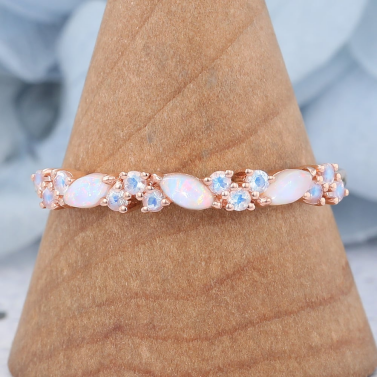
Amanda Opal And Moonstone Matching Wedding Band
Amanda Ruby & Round Moissanite Wedding Band
Amanda White Gold Simple Wedding Rings For Women
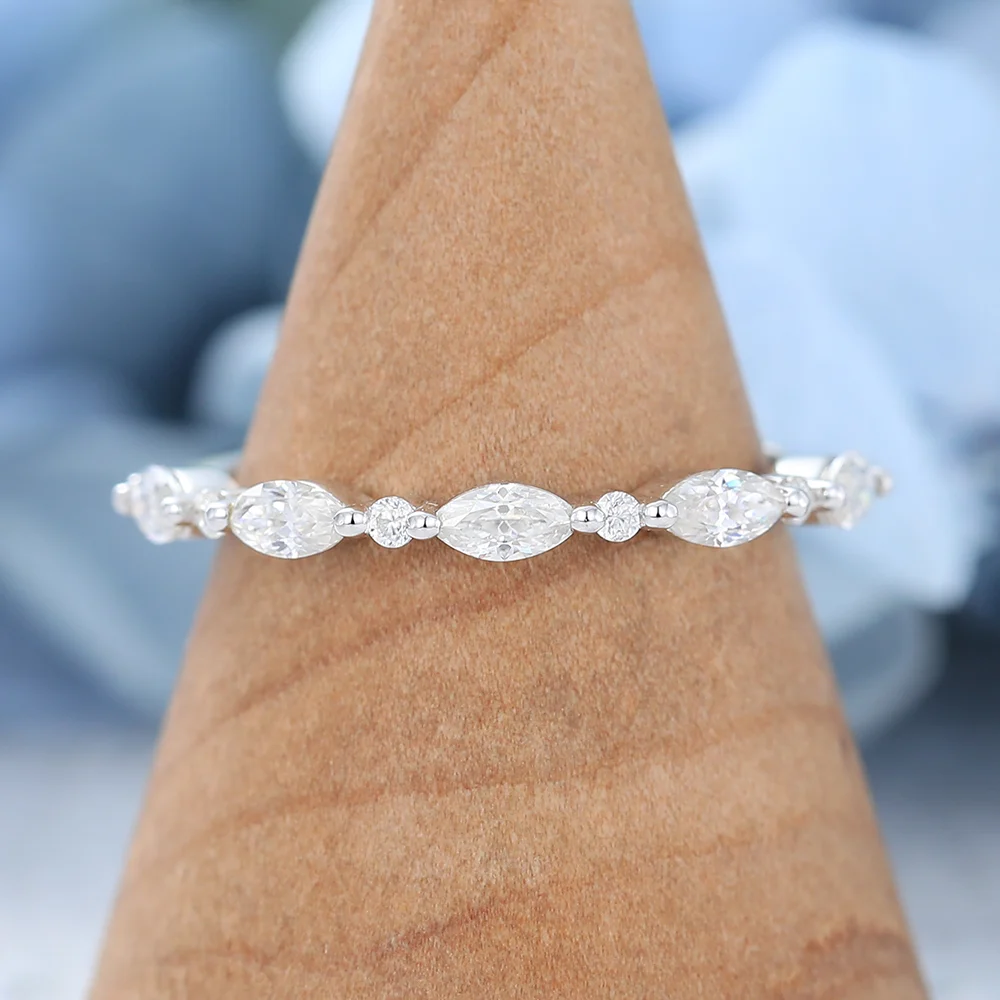
Amanda Marquise Cut Moissanite Wedding Band
Conclusion
When it comes to what finger does a wedding ring go on, there’s no one-size-fits-all answer. Tradition points to the left-hand ring finger, but the right choice depends on what feels comfortable and works with your daily life. The most important thing is that the ring represents your commitment and fits naturally into your routine, so you and your partner can enjoy wearing it every day. For the perfect fit, consider visiting AmandaFineJewelry to customize a wedding ring in the ideal size for you.
Yes. Both men and women typically wear their wedding ring on the left-hand ring finger, making it a shared tradition rather than a gender-specific practice.
A wedding ring is traditionally worn on the left hand in many Western countries, including the United States. This long-standing custom remains the most familiar way couples show their marital commitment today.
The custom comes from the old belief that this finger had a direct vein leading to the heart. Even though the idea isn’t scientifically accurate, the symbolism continues to resonate with many couples.
Yes. Some people choose a different finger due to comfort, work conditions, cultural habits, or simple preference. The meaning of the ring isn’t affected by the finger you choose.
Most people wear both on the left-hand ring finger. After the ceremony, the wedding band usually sits closer to the hand, creating a simple and familiar stacking order.
Yes. While the left-hand ring finger is standard in the US, people with strong cultural traditions may follow right-hand placement or other customs from their cultural background.
 Christmas: 25% off All ltems · Code AFJ25 ·Ends Dec 30 30% off All Items ·On Orders Over $600 – Code AMANDA30